The blind would have looked beautiful the morning it went up. Six months later, she'd have been living with something that quietly disappointed her every evening.
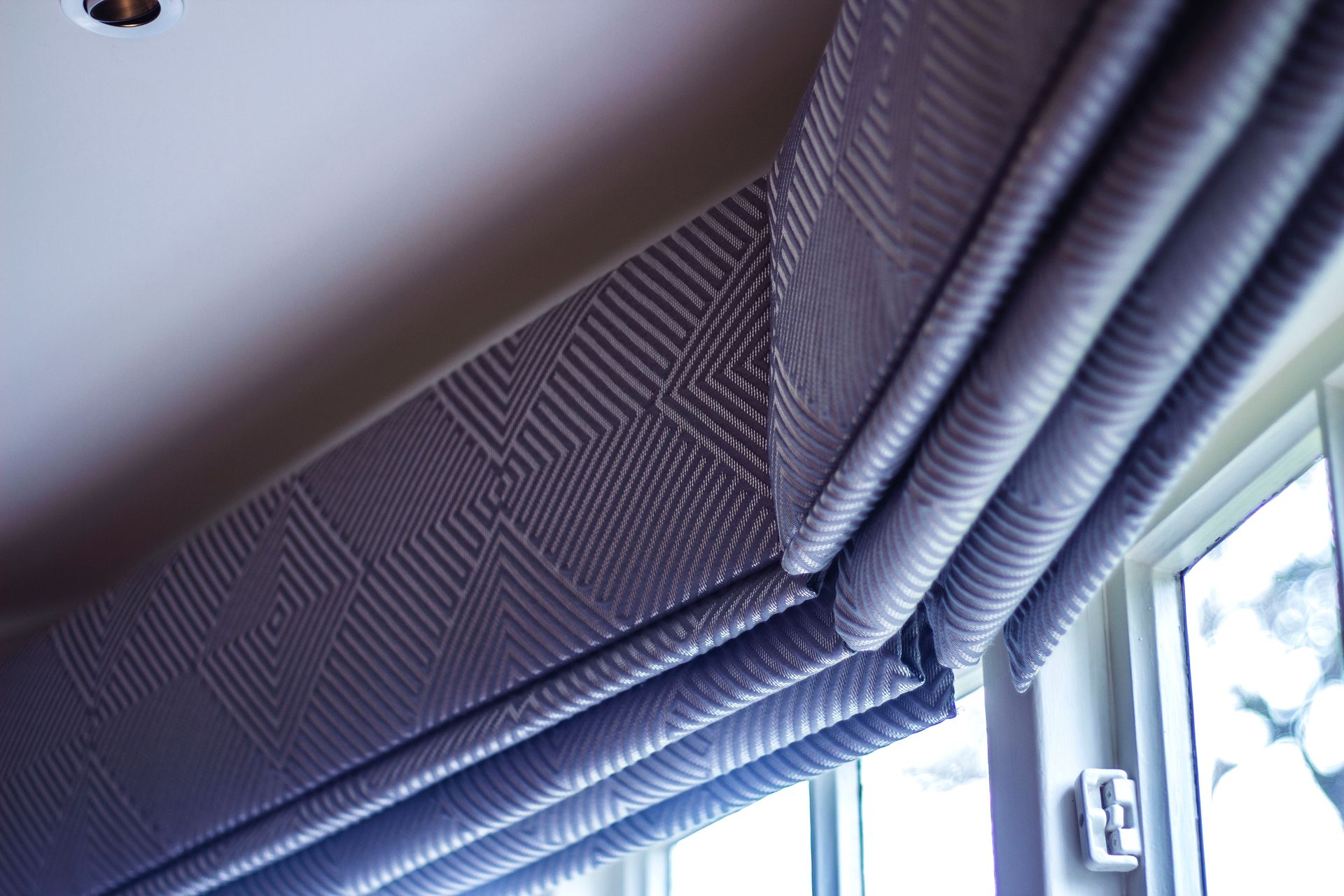
A client came to me recently with a fabric she'd fallen in love with. A soft velvet - beautiful weight, beautiful colour. She wanted it for roman blinds. And I could see exactly why she'd chosen it. The problem was, I could also see exactly what would happen.
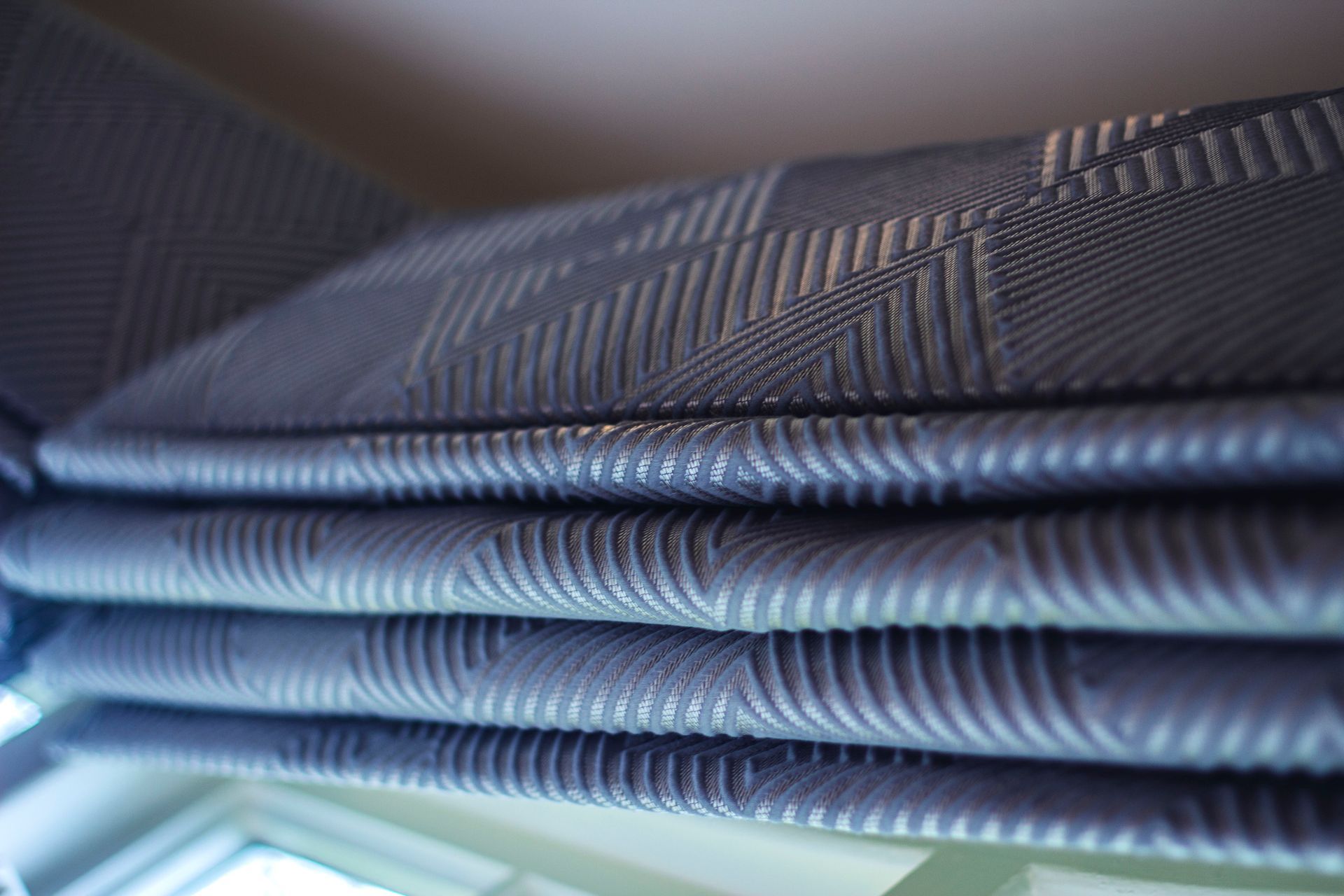
Roman blinds fold back on themselves during the day. They sit like that for hours. Velvet crushes - and when you drop the blind in the evening, you see the shade lines where the pile has compressed. Faint diagonal marks running across the fabric, right where the folds were. Not what anyone wants after spending serious money on something they love.
I explained this to her. She understood straight away - "David, let's choose something else." We looked at chenille. Still had the pile. Still had that depth and lustre she was after. But without the crushing problem. The blinds were made, fitted, and she was delighted.
That's the bit most people don't know to ask about.
Choosing fabric is where most people think the decisions are. In practice, it's where they start. What comes after - the pleating style, whether to interline, which track or pole to use, how a particular cloth will actually behave over time - that's where experience either shows up or it doesn't.
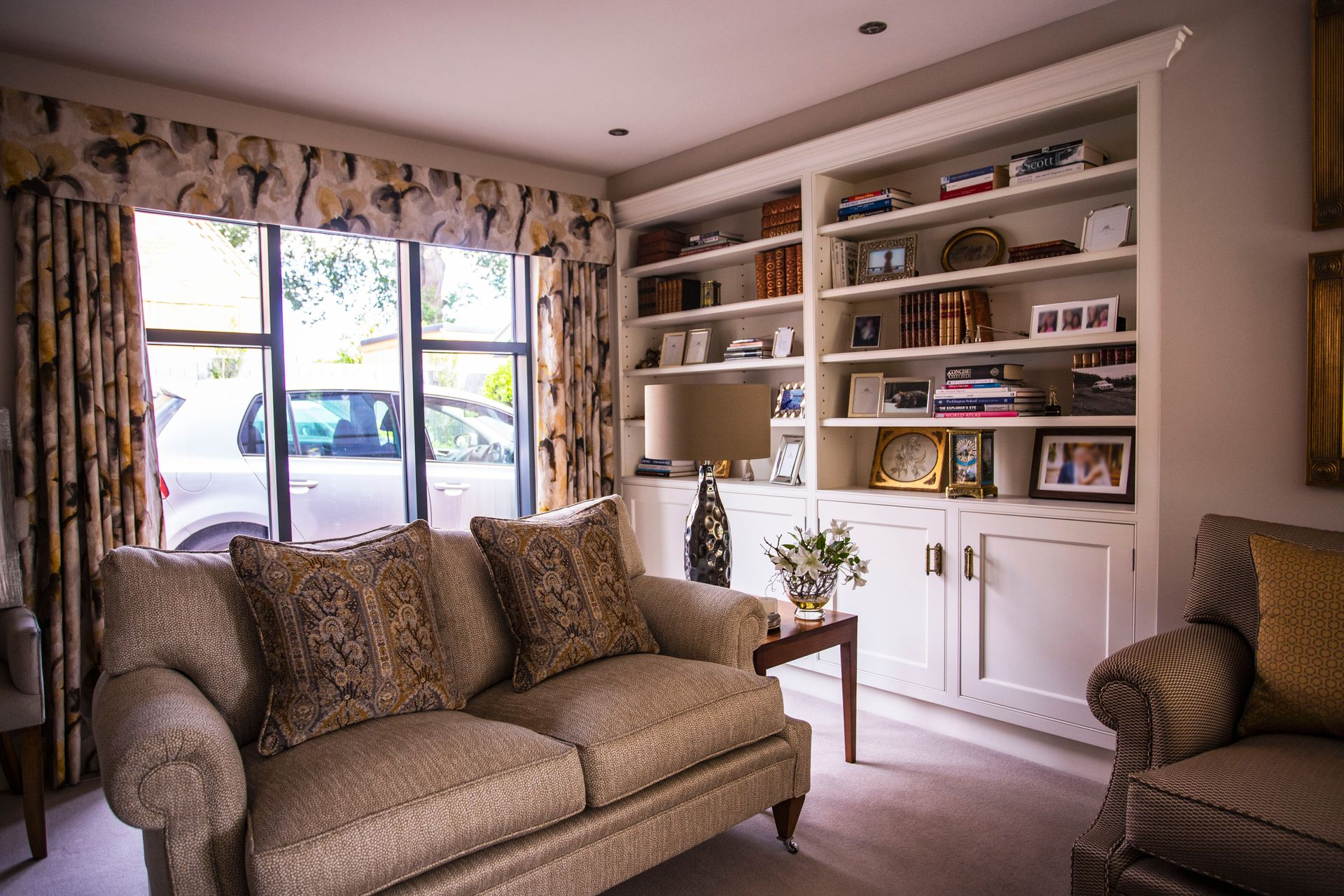
Pinch pleat, pencil pleat, eyelet, wave - each heading creates a different look and falls in a different way. Some work with certain fabrics; others don't. A heavy linen that drapes beautifully as a wave can look flat and lifeless with eyelets. And I've seen sheers that photograph well in pinch pleat look cluttered and overworked at ceiling height. These are things you learn by working with fabric for a long time. I've been doing this for over forty years, and I'm still occasionally surprised - well, not quite surprised, but reminded - by how much the heading choice changes the whole character of a room.
Interlining is another one that catches people out. It adds body and warmth, and gives curtains that fullness that makes them hang as though they mean it rather than just hanging. Most clients don't know it exists until they've felt a properly interlined curtain alongside one that isn't. The difference is immediate. But it isn't always right - it depends on the room, the window, the fabric, and honestly what the client actually wants to live with day to day.
Then there are tracks and poles. These are the things that don't make it into photographs but that you notice every single morning and evening. A pole that's slightly the wrong weight for the fabric will never sit quite right. A track that sits too close to the wall, or doesn't give enough clearance for the heading, works against everything above it. Getting these decisions right is part of what we do. They're not afterthoughts.
Our seamstresses have been making curtains and soft furnishings for decades. Stephen, who handles installation, knows how a finished curtain should hang and what it takes to get there. Between us, we have the kind of combined experience that only comes from having made - and occasionally unmade - a very large number of curtains.
It's not just about it looking amazing. It's about how you live with it.
The velvet blind would have looked perfect in a photograph taken the morning it went up. But curtains and blinds aren't photographs. They go up and come down every day, and they need to be right for that - not just for the moment of fitting. If you're thinking about curtains or blinds and want to talk through what will actually work for your room and your fabric, come and find us at the showroom in Beverley. We're there Monday to Friday, 10 till 4.
Frequently Asked Questions
Q: I've already chosen my fabric - can you still advise on everything else? A: Yes, absolutely. Many clients come to us having already found something they love, and that's a perfectly good place to start. From there we look at the right heading for that particular cloth, whether interlining makes sense for the room, and which track or pole will give you the result you're actually after. The fabric is the beginning of the conversation, not the end of it.
Q: Why does fabric choice matter so much for roman blinds specifically? A: Roman blinds fold back on themselves during the day and hold that position for hours. Some fabrics - particularly those with a soft pile, like certain velvets - can crush under that pressure and leave visible shade lines across the blind when it's dropped in the evening. It's not obvious until you know to look for it. Understanding how a fabric will behave in use, not just how it looks on the roll, is something we think about before anything is cut or made.
Q: What's the difference between lined and interlined curtains? A: A lining protects the fabric from light and gives the curtain a cleaner appearance from outside. Interlining goes further - it's a layer of soft material between the fabric and the lining that gives real body and weight, and makes curtains hang with a fullness that lined-only curtains rarely achieve. Once you've handled a properly interlined curtain, the difference is obvious. It isn't always necessary, but for certain rooms and fabrics it makes a significant difference to how the finished curtain looks and feels.
Q: Do I need an appointment to visit the showroom? A: No - we're open Monday to Friday, 10am to 4pm, and you're welcome to come in without booking. If evenings or weekends suit you better, we can arrange that too. The showroom lets you see and handle fabrics in person, which tells you things a sample sent in the post simply can't.
About David Bird
David Bird is the owner and principal designer at Carol Bird Interiors in Beverley, East Yorkshire. Liberty of London trained, with over forty years working with fabric, he leads every project personally - from the first conversation about what a client wants through to the day it's fitted. If you're planning curtains or blinds and want them to be right, the showroom is at 47 North Bar Within, Beverley. No appointment needed.